The importance of audiovisual translation

                                                                                   By Lídia Mello

Language serves among others, for people to communicate and connect, to express different cultures, identities and histories.

The audiovisual translation deals with sounds and images, making accessible to a wider audience films made in different languages. In addition, it favors people’s learning and understanding of certain subjects, as well as assists companies and clients in negotiations and acquisition of products. Therefore, it is used in films, TV shows, theater, advertising, video games, internet videos, institutional, corporate, informative and educational videos, and softwares, in cultural areas and others.

Translation for subtitling

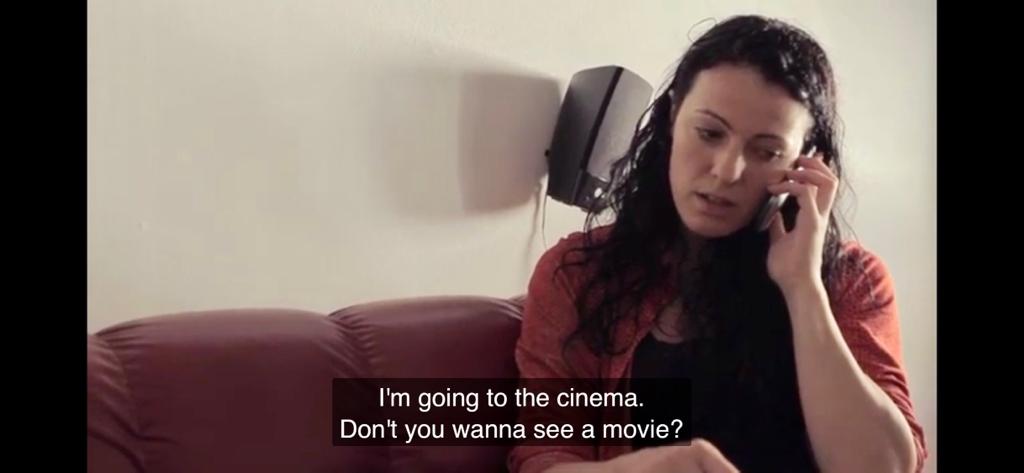
Translation for subtitling, in turn, moreover making films and videos accessible in various languages, enables the digital inclusion of people with hearing impairments and the democratization of diverse audiovisual content – whether over the internet, on social networks, on streaming platforms, or on TV, from the school to the business environment, or at home, by cell phone or computer. This feature is widely used in movies and is a powerful tool in understanding a language you don’t understand.

This kind of work requires linguistic, technical and cultural skills, and competencies of the translator, who must have knowledge of research tools and preferably also of the cinematographic language. This type of professional should also know about grammatical domain, the structure of the different languages, the subjects to be translated, how to use specific software, the different subtitle formats (srt, sub, etc.), respect the technical norms, such as character division by line, timing, synchronization, and understand quality standards. Nonetheless, it is important for a translator to comply with the requirements of the international audiovisual market, for example, Netflix, which has specific rules. 

For a good understanding and adequacy of what is translated, furthermore  being detailed, agile and careful, the translator must adapt the pace of the film and rhythms of speech in the act of translation, without losing the meaning of what is being said. And it is desirable that the translator knows how to revise well what has been translated.

The use of subtitling on social media

Although social networks, such as YouTube and Instagram (IGTV), which are widely accessible references to the public, offer the automatic or manual video subtitling feature, many users and some companies are unaware of these functionalities. However, this feature still has many translation errors, usually made by machines, and need to be reviewed by a professional subtitling translator.

The social function of translation for subtitling

Translation for subtitling contributes to the social function of companies, NGOs and public institutions, since subtitles serve to communicate certain information to different audiences in the world, especially in times of global crises, such as epidemics and natural disasters. In countries with dialects and expressions that vary according to region, subtitling helps in understanding various discourses and dialogues between people, through audiovisual means.
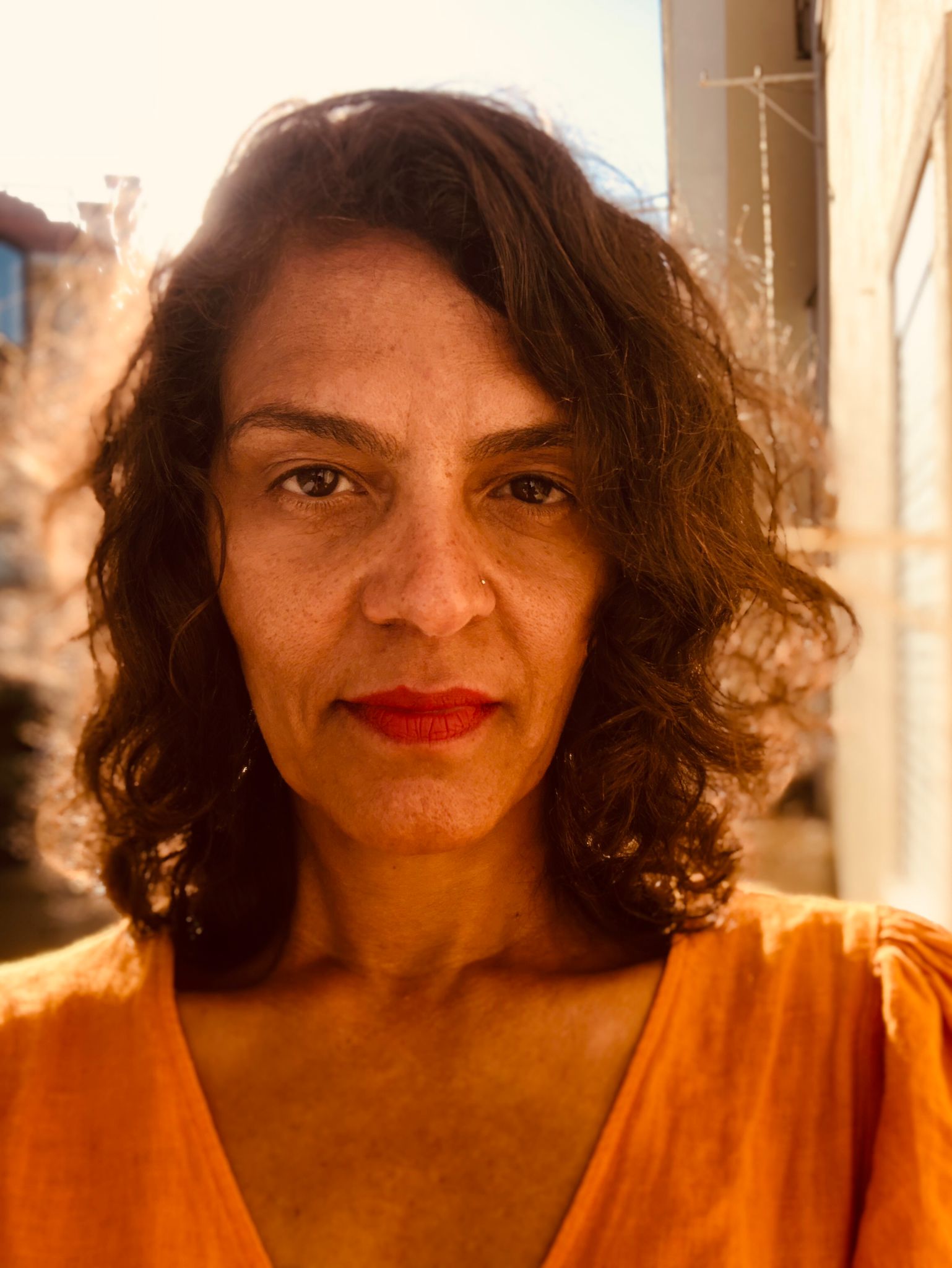
PHD Lídia Mello, translator and subtitler, movies' analyst


Lídia Mello – Freelance Translator and Public Relations with experience also in cinema.

Translate from French, Italian, Spanish and English to European PT and BR.

-Post-doc in Artistic/Film Studies University of Coimbra/Portugal.

-PhD in Arts/Cinema from the School of Fine Arts, UFMG/Brazil.

-Master in Letters from UFRGS / Brazil.

-Graduated in Communication / PR- PUCMinas.     

Lídia has experience with translation and revision, translation and subtitling, Communication, Literature and Cinema [as a screenwriter, researcher,  professor, speaker, author of  the books: Do cinema de Béla Tarr, 2019 and Autoritarismos no Brasil: O cinema político brasileiro contemporâneo feito por mulheres – Editora Outro Modo/Le Monde Diplomatique PT (2022) and 3 other book chapters, one of them PhotoFilm-02 , book to be published in Berlin later this year]. 

Mello is also a Programmer, Jury, Curator and Film Critic. She co-edited a dossier on Brazil & Contemporary Cinema for Mistral Journal/University of Groningen; writes reviews of films made by women for the website C7NEMA;  and is a Founding Partner and Chairman of the Fiscal Council  of MUTIM-Association of Women Workers of Moving Images/Portugal.

A importância da tradução audiovisual

                                                                                   Por Lídia Mello

A linguagem serve, dentre outros, para as pessoas se comunicarem e se conectarem, para expressar diferentes culturas, identidades e histórias.

A tradução audiovisual lida com sons e imagens, tornando acessíveis filmes feitos em diferentes línguas para um público mais amplo. Além disso, favorece o aprendizado e a compreensão das pessoas sobre determinado assunto, auxilia empresas e clientes em negociações e aquisição de produtos. É, portanto, utilizada em filmes, programas de TV, teatro, propaganda, videogames, vídeos na internet, vídeos institucionais, empresariais, informativos e educativos, softwares, em áreas culturais e outros.

Tradução para legendagem

A tradução para legendagem por sua vez, além de tornar filmes e vídeos acessíveis em outras línguas, possibilita a inclusão digital de pessoas com deficiência auditiva e a democratização de conteúdos audiovisuais diversos. Seja pela internet, em redes sociais, em plataformas de streaming, ou na TV, do ambiente escolar ao empresarial, ou em domicílios, pelo celular ou computador. Esse recurso é amplamente usado em filmes e uma poderosa ferramenta no entendimento de um idioma que não se compreende.

Trabalho que exige habilidade e competências linguística, técnica e cultural do/a tradutor/a. Profissional que deve ter conhecimento de ferramentas de pesquisa e de preferência, também da linguagem cinematográfica, domínio gramatical e da estrutura das diferentes línguas e dos assuntos a serem traduzidos, saber usar softwares específicos, conhecer os diferentes formatos de legendas (srt, sub, etc), respeitar as normas técnicas, a divisão de caracteres por linha, timing, sincronização e os padrões de qualidade.

É importante cumprir as exigências do mercado audiovisual internacional, por exemplo, a Netflix tem regras específicas.

Para uma boa compreensão e adequação do que se traduz, além de ser detalhista, ágil e cuidadoso/a, o/a tradutor/a deve adequar o tempo do filme e os ritmos da fala no ato da tradução sem perder o sentido do que é dito. E é desejável que saiba revisar bem o que foi traduzido.

O uso da legendagem em redes sociais

Apesar das redes sociais, a exemplo do YouTube e Instagram (IGTV), referências de amplo acesso do público, oferecerem o recurso de legendagem de vídeo automática ou manual, muitos usuários e algumas empresas desconhecem essas funcionalidades. Entretanto, este recurso ainda apresenta muitos erros de tradução, em geral, feitas por máquinas e carecem de revisão de um profissional tradutor de legendagem.

A função social da tradução para legendagem

A tradução para legendagem contribui com a função social de empresas, ONGs e instituições públicas, uma vez que as legendas servem para comunicar determinada informação para diferentes públicos do mundo, principalmente, em momentos de crises globais, como epidemias e catástrofes naturais. E em países com dialetos e expressões que variam de acordo com cada região, a legendagem ajuda na compreensão de variados discursos e diálogos entre as pessoas, por meio de meios audiovisuais.